Creating a relaxing home environment is more important than ever in today’s busy world. When your living space feels calm and nurturing, it can help reduce stress, improve your mood, and boost your overall well-being. Fortunately, simple changes and mindful choices can transform your home into a peaceful retreat where you can recharge and feel your best.
In this post, we’ll explore practical tips to help you cultivate a relaxing home environment that supports wellness and comfort.
Why a Relaxing Home Matters
Your home is where you spend much of your time, especially when working remotely or after a busy day. A chaotic or cluttered space can increase feelings of stress and fatigue, while a calm, inviting environment encourages rest and relaxation. When your surroundings promote peace, you’re more likely to experience improved sleep, better focus, and a positive mindset.
1. Declutter for Calm
One of the quickest and most effective ways to make your home feel more serene is to declutter. Excess stuff can overwhelm the senses and create visual noise that keeps your mind in overdrive.
– Start small: Tackle one drawer, shelf, or corner at a time.
– Keep only what you love or need: Donate, recycle, or discard items that no longer serve you.
– Organize thoughtfully: Use baskets, bins, or boxes for loose items to create a neat appearance.
A tidy space invites relaxation and helps your mind feel settled.
2. Use Soothing Colors
Colors impact mood profoundly. Choosing calming tones for your walls, furniture, and décor can make your space feel more restful.
– Soft blues and greens: These colors often evoke nature and tranquility.
– Neutral shades: Whites, creams, and light grays provide a clean, airy feel.
– Warm pastels: Gentle pinks, lavenders, or peaches can add warmth without overstimulation.
Avoid overly bright or harsh colors in spaces meant for relaxation.
3. Bring Nature Inside
Natural elements promote a sense of peace and connection. Incorporating them into your home décor is a simple way to enhance well-being.
– Houseplants: They improve air quality and add a touch of life. Easy-care options include snake plants, pothos, and succulents.
– Natural materials: Wood, stone, and cotton textures add warmth and grounding.
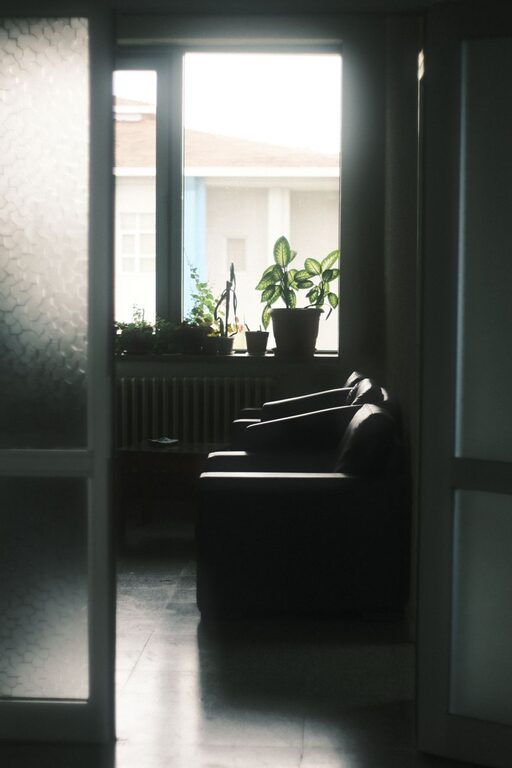
– Natural light: Maximize sunlight by opening curtains or using sheer window treatments.
Spending time near plants or natural views can lower stress and enhance mood.
4. Create Comfortable Zones
Tailor areas of your home for relaxation and comfort so you have dedicated spots to unwind.
– Reading nook: Add a cozy chair, soft blanket, and good lighting.
– Meditation or yoga space: Keep it uncluttered with a mat, cushions, and calming décor.
– Soft textiles: Use plush rugs, throw pillows, and curtains to add softness.
Having specific zones encourages relaxation rituals and self-care.
5. Use Lighting to Set the Mood
Lighting influences energy and ambiance greatly.
– Natural light preferred: Open blinds during the day to let in as much sunlight as possible.
– Layered lighting: Combine overhead, task, and accent lighting for flexibility.
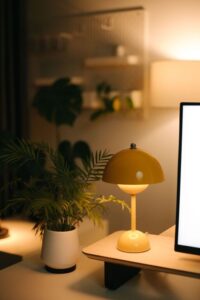
– Warm bulbs: Use warm-toned bulbs to create a cozy, inviting glow in the evening.
– Dimmer switches or lamps: These allow you to adjust light intensity easily.
Avoid harsh fluorescents or overly bright settings that can feel stressful.
6. Incorporate Calming Scents
Certain scents are known for their relaxing properties and can instantly change a room’s atmosphere.
– Essential oils: Lavender, chamomile, and sandalwood are popular calming choices. Use diffusers or add a few drops to a cotton ball.
– Candles: Scented candles create both light and aroma, enhancing tranquility.
– Fresh flowers: They add natural fragrance and visual beauty.
Be mindful of allergies or sensitivities, and always choose natural products when possible.
7. Minimize Noise and Distracting Electronics
Noise pollution can disrupt calm and rest. Taking steps to reduce distracting sounds promotes a peaceful environment.
– Soft textiles: Rugs, curtains, and cushions absorb sound.
– White noise machines or fans: These create consistent sounds that mask sudden noises.
– Manage electronics: Turn off TVs, phones, or computers when not in use, especially in bedrooms.
– Designate quiet zones: Use signs or house rules to encourage silence during certain hours.
A quieter space supports relaxation and better sleep quality.
8. Personalize to Reflect Comfort and Joy
Your home should feel truly yours. Including personal touches that bring happiness lets you unwind more easily.
– Photos and mementos: Displaying meaningful objects can promote positive memories.
– Art and décor: Choose pieces that inspire calm or joy.
– Scented baths or cozy slippers: Small luxuries add to daily comfort.
When you enjoy your surroundings, relaxation follows naturally.
9. Maintain a Routine Cleaning Schedule
Keeping your home clean helps maintain the peaceful atmosphere.
– Regular tasks: Sweep floors, dust surfaces, and wipe counters routinely.
– Deep cleaning: Occasionally clean windows, carpets, and upholstery.
– Involve household members: Sharing cleaning duties makes it less overwhelming.
A clean environment supports physical health and mental calmness.
—
Creating a relaxing home environment doesn’t mean making expensive or drastic changes. By focusing on simple strategies like decluttering, bringing in nature, managing light and sound, and adding personal touches, you can build a space that supports your well-being every day.
Your home should be your sanctuary—a place where you can rest, recharge, and feel at peace. Start with one or two tips and notice how small shifts can make a big difference in your comfort and happiness.