
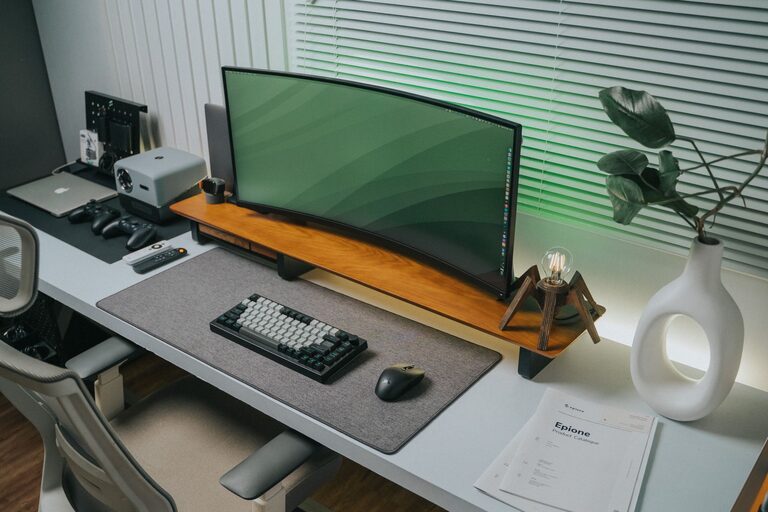
Creating a home workspace that is both sustainable and organized can make a huge difference in your daily productivity and overall well-being. A well-planned workspace encourages focus and reduces clutter, while sustainability practices help minimize environmental impact. Whether you’re working remotely full-time, freelancing, or just need a dedicated space for occasional tasks, these tips will guide you in creating an eco-conscious, efficient home office.
Why Sustainability and Organization Matter
A workspace is more than just a desk and a chair — it’s where ideas come to life and work gets done. When your environment is cluttered or inefficient, it can lead to stress and distraction. Additionally, choosing sustainable materials and energy-saving devices reduces waste and lowers your carbon footprint.
Choosing the Right Location
Prioritize Natural Light
Look for a spot in your home with plenty of natural daylight. This not only reduces your dependence on artificial lighting but also has positive effects on mood and productivity. Position your desk near a window, if possible, to enjoy a bright, uplifting workspace.
Consider Ventilation and Quiet
Good airflow and quiet surroundings are essential for concentration. Avoid high-traffic areas if you need a peaceful environment. A well-ventilated room helps maintain air quality, creating a healthier space for long hours of work.
Selecting Sustainable Furniture and Supplies
Opt for Eco-Friendly Furniture
Choose desks and chairs made from renewable or recycled materials such as bamboo, reclaimed wood, or recycled plastic. Look for certifications like FSC (Forest Stewardship Council) to ensure responsible sourcing.
Buy Durable and Repairable Items
Investing in quality furniture that lasts reduces the need for frequent replacements. Also, select products that can be easily repaired rather than discarded.
Use Recycled or Recyclable Office Supplies
Paper products, folders, and storage bins made from recycled materials help reduce landfill waste. Whenever possible, purchase supplies that are biodegradable or recyclable.
Organizing Your Workspace Efficiently
Declutter Regularly
Keep only essential items on your desk to maintain a clear workspace. Schedule a weekly or monthly decluttering session to file away papers and tidy up drawers.
Utilize Storage Solutions
Make use of shelves, drawers, and desk organizers to keep supplies neatly stored and easily accessible. Label boxes and files to quickly locate what you need.
Employ Vertical Space
Wall-mounted shelves and pegboards maximize storage without taking up floor space. Use hooks and baskets to store items like headphones, chargers, or stationery.
Incorporating Technology Mindfully
Choose Energy-Efficient Devices
Select computers, monitors, and printers with ENERGY STAR ratings. These products consume less electricity, helping to save energy and reduce utility costs.
Manage Cables Smartly
Use cable organizers or clips to keep cords tidy and out of the way. This not only improves safety but also enhances the overall appearance of your workspace.
Turn Off Devices When Not in Use
Shut down or unplug electronics when you’re finished working to save energy. Consider using power strips with switches to easily control multiple devices.
Adding Greenery and Personal Touches
Bring in Indoor Plants
Plants improve air quality and add a calming touch to your workspace. Choose low-maintenance varieties like succulents, snake plants, or pothos that thrive indoors.
Use Natural Decor Elements
Incorporate items made from natural fibers like cotton or wool, or decorative pieces crafted from sustainable materials. These touches create a warm, inviting atmosphere.
Personalize with Purpose
Add photos, artwork, or cushions that inspire and motivate you, but avoid overcrowding the space. Balance personalization with simplicity for a stress-free environment.
Maintaining Your Workspace
Develop a Daily Routine
Start and end your workday by tidying your desk. Keeping this habit ensures your workspace stays organized long-term and ready for the next day.
Practice Minimalism
Focus on essentials and avoid accumulating unnecessary items. Regularly reassess your needs and donate or recycle items you no longer use.
Stay Mindful of Sustainability
Recycle paper waste properly, use refillable pens, and support brands committed to eco-friendly practices. These consistent choices contribute to a greener lifestyle.
Final Thoughts
Creating a sustainable and organized home workspace is a rewarding process that promotes both productivity and environmental responsibility. By selecting eco-friendly furniture, maintaining an uncluttered area, and using energy-efficient technology, you build a workspace that supports your work-life balance and planet-friendly values. Start with small changes and gradually incorporate these tips to transform your home office into a productive and sustainable haven.