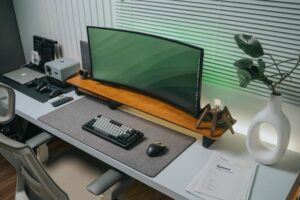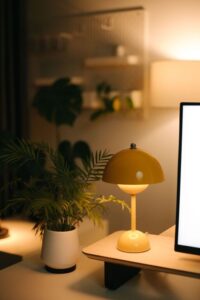
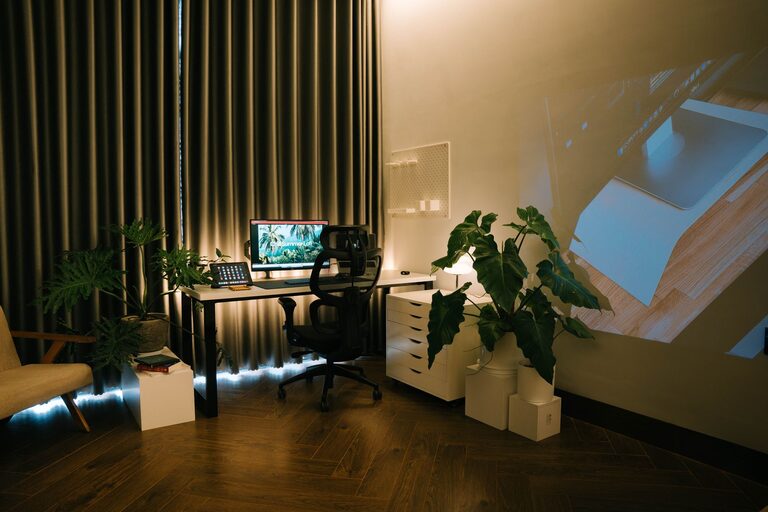
Creating a home office that feels both cozy and productive can have a big impact on your workday. Whether you’re working remotely full-time or just occasionally, your workspace plays a vital role in how focused and comfortable you feel. In this post, we’ll explore simple tips and ideas to help you design a home office that supports your productivity while making you feel right at home.
Why a Cozy and Productive Workspace Matters
When your home office is inviting and well-organized, it encourages a positive mindset and reduces stress. Comfort helps you stay motivated, and an efficient layout cuts down distractions and wasted time. Achieving the right balance between coziness and productivity means you can enjoy your work without feeling drained or overwhelmed.
Choose the Right Location
Find a Quiet Spot
Start by selecting a space in your home where you’re least likely to be interrupted. If possible, choose a room or corner away from noisy areas like the kitchen or living room. Good natural lighting is a bonus—it helps reduce eye strain and boosts mood.
Consider Your Commute
While commuting isn’t a factor at home, having a dedicated space that separates work from relaxation is important. Avoid working from your bed or couch if it’s possible; this helps maintain clear boundaries between work time and personal time.
Invest in Comfortable Furniture
Ergonomic Chair
A good chair supports your posture and prevents back pain. Look for adjustable chairs with proper lumbar support, so you can customize the fit for your body.
Desk that Fits Your Needs
Choose a desk that suits the type of work you do. If you often use a laptop, a simple desk might work. For multiple monitors or paperwork, consider a larger surface to stay organized.
Add Soft Elements
Incorporate cushions, a cozy throw blanket, or a small area rug to make your space feel warm and inviting. These elements soften the environment and encourage comfort.
Organize Your Space Wisely
Declutter Regularly
Keep only the essentials on your desk. A clutter-free space reduces distractions and helps clear your mind.
Use Storage Solutions
Boxes, shelves, and drawers can store supplies and documents neatly. Labeling storage containers also helps you find what you need quickly.
Cable Management
Tidy cables with clips or tubes to avoid a messy look and reduce tripping hazards.
Lighting is Key
Maximize Natural Light
Position your desk near a window if possible. Natural daylight improves focus and energy.
Supplement with Task Lighting
Add a desk lamp with adjustable brightness to reduce eye strain, especially during evening hours.
Choose Warm Light Bulbs
For a cozy atmosphere, opt for bulbs that emit warm light rather than harsh white light.
Personalize Your Workspace
Add Plants
Indoor plants can improve air quality and create a calming environment. Choose low-maintenance varieties if you’re not a green thumb.
Display Inspiring Items
Photos, artwork, or motivational quotes can boost your morale and make the space more enjoyable.
Keep it Balanced
While personal touches are important, keep decorations minimal to avoid distractions.
Manage Noise Levels
Use Noise-Canceling Headphones
If your home is busy, headphones can help you focus better.
Play Background Music or White Noise
Soft background sounds may improve concentration for some people.
Soundproof Your Space
Rugs, curtains, and wall hangings can also reduce echo and noise intrusion.
Establish a Routine
Set Regular Work Hours
Having consistent start and end times signals to your brain when it’s time to focus.
Take Breaks and Move Around
Short breaks help avoid burnout. Stretch or walk to refresh your energy.
Use Productivity Tools
Calendars, task lists, and time-tracking apps can keep you on track throughout the day.
Keep Technology Efficient
Reliable Internet Connection
Make sure your Wi-Fi is strong and stable to avoid frustration.
Maintain Your Devices
Regularly update software and clean your computer to keep everything running smoothly.
Use Ergonomic Accessories
Consider an external keyboard, mouse, or laptop stand to enhance comfort.
Final Thoughts
Designing a cozy and productive home office doesn’t require major remodeling or expensive furniture. Small, thoughtful adjustments to your location, furniture, organization, and ambiance can transform your workspace into a place where you look forward to working. Remember, a space that supports your needs and makes you feel comfortable is key to staying focused and happy throughout your workday at home.